Many people only think about office chair repair when something suddenly fails: the chair starts sinking, the base cracks, or the tilt locks up. A quick search for “office chair repair near me” usually brings up upholstery shops, office furniture dealers, and a few specialty repair services—but are they really cheaper than fixing the chair yourself? The truth is that some problems are perfect DIY jobs with inexpensive parts, while others are better handled by a professional (or mean it is time for a new chair entirely).

What Local Office Chair Repair Shops Actually Do
Local repair shops and office furniture service companies typically focus on jobs like:
- Replacing gas lift cylinders and bases.
- Swapping casters and armrests.
- Repairing or replacing tilt mechanisms and seat plates.
- Reupholstering seats and backs or repairing torn covers.
- Refurbishing higher-end ergonomic chairs for resale.
What you are paying for is not just the part, but also diagnosis, labor, and sometimes pickup and delivery. That makes sense for expensive chairs, but it can quickly exceed the value of cheaper models.
Common Office Chair Problems: DIY vs Pro Repair
Some issues almost always favor DIY, while others tilt toward professional service.
Wobbly or Unstable Chair
A chair that rocks side to side or feels loose is usually suffering from worn casters, a cracked base, or loose bolts.
- DIY-friendly? Yes, in most cases. Tightening bolts and swapping casters or the base is very doable at home.
- Typical DIY cost: Under the price of a new chair if you use parts like a universal office chair repair kit or a separate set of office chair replacement casters.
- Shop cost: Labor plus parts can approach the price of a mid-range new chair.
If you want a detailed checklist for tracking down wobble before you decide, follow the step-by-step guide in Wobbly Office Chair? How to Diagnose and Fix a Loose Base.

HYEJDRV Heavy Duty 500LBs Office Chair Tilt Control Mechanism Replacement Parts, Office Chair Swivel Tilt Base W/6" x 10.2" Mounting Holes - Black

Omyoffice 5.5” Office Chair Gas Lift Cylinder Replacement, Class 4 Piston | Heavy-Duty 1000 lbs, Hydraulic Pneumatic Gas Lift, Universal Fit Most Executive Gaming Desk Chairs, Black

Besitu 500Lbs Office Chair Replacement Parts, w/ 6'' x 10.2" Mounting Holes Chair Base Heavy Duty Plate Swivel Tilt Control Seat Mechanism for Executive and Gaming Chairs
Squeaky Chair or Noisy Movement
Noises usually come from dry joints, loose bolts, and unlubricated mechanisms.
- DIY-friendly? Absolutely. A basic tool kit and the right lubricant are usually all you need.
- Typical DIY cost: Very low—often just a silicone spray lubricant for office chairs and maybe a small set of hex keys.
- Shop cost: Paying labor for a 10–20 minute fix rarely makes sense unless the chair is high-end and already in the shop for other work.
You can silence most squeaks in minutes by following a focused walkthrough like How to Fix a Squeaky Office Chair in 10 Minutes and combining it with a quick hardware check.
Chair Slowly Sinks (Gas Lift Failure)
The classic “sinking chair” happens when the gas cylinder no longer holds pressure.
- DIY-friendly? Yes, as long as you are comfortable removing the base and seat plate.
- Typical DIY cost: A universal office chair gas lift cylinder replacement is usually much cheaper than a new chair.
- Shop cost: Parts plus labor can be worth it for premium chairs, but may exceed half the cost of a budget model.
If you are already flipping the chair to swap the cylinder, it is a great time to tighten bolts and check the base so you do not pay for a second repair later.
Broken Tilt Mechanism or Seat Plate
If you see cracked metal on the tilt plate or the chair suddenly collapses backward, the mechanism itself may be damaged.
- DIY-friendly? Depends. Swapping a seat plate is doable, but diagnosing cracks and compatibility can be tricky.
- Typical DIY cost: A new office chair tilt mechanism replacement plus bolts may still be cheaper than a new ergonomic chair.
- Shop cost: Professional evaluation is smart if multiple parts (tilt, base, arms) are affected or if the chair is a premium brand.
When core structure is compromised, you should always weigh repair cost against the overall age and value of the chair.
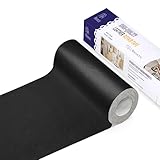
Besezx Leather Repair Patch Tape Kit,Vinyl Repair Kit,Self Adhesive Leather Repair for Furniture, Couch, Sofa, Car Seats,Office Chair.3.1inx60in-Black
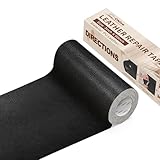
ONine Leather Repair Tape,Self Adhesive Leather Repair Patch,Leather Patches for Furniture,Sofa,Car Seats,Office Chair. Vinyl Repair Kit 3x60in (Black)

Leather Repair Patch Tape Kit, Self Adhesive Leather Repair for Furniture, Couch, Sofa, Car Seats,Office Chair,Vinyl Repair Kit.30inx16in
Torn Upholstery, Worn Foam, or Destroyed Mesh
Cosmetic damage and sagging seat foam are where pro shops often make the most sense.
- DIY-friendly? Minor tears and simple foam swaps can be done at home, but full reupholstery or re-meshing quickly becomes an advanced project.
- Typical DIY cost: A leather repair patch kit for office chairs or new foam cushions can extend life on a budget.
- Shop cost: Professional upholstery looks better and lasts longer, but it can cost as much as a new mid-range chair.
On older budget chairs, cosmetic repairs rarely make financial sense unless you just enjoy the DIY project.
Real-World Cost Comparison: DIY vs Local Repair
Exact prices vary by region and chair model, but the pattern is usually the same:
- DIY wins on small, modular parts you can easily access: casters, gas cylinders, bases, armrests, and simple knobs.
- Pro repair can win on complex mechanisms, upholstery, and brand-specific parts for premium chairs.
- Replacement wins when multiple components are shot and the chair was inexpensive to begin with.
A simple way to think about it:
- If the DIY parts plus basic tools (for example, a compact office chair tool kit and a couple of replacement parts) cost significantly less than half a new chair, DIY is usually the best move.
- If a shop quote plus parts is close to or more than a new chair of similar quality, consider replacement instead.
For help thinking about the bigger picture—age, quality, and total wear—compare your situation with the guidance in How Often Should Office Chairs Be Replaced (How Long Do They Last?).
How to Decide Between DIY, Pro Repair, and Replacement
Ask yourself a few key questions before you book a repair or start ordering parts.
- How much did the chair cost originally? Repairing a $600 ergonomic chair with $80 in parts is usually worth it. Spending $150 on a $120 chair is not.
- Is the frame still solid? Cracked frames or heavily rusted cores usually mean it is time to retire the chair.
- How handy are you? If you are comfortable with basic tools, most repairs are very manageable with a good tutorial.
- Is downtime a problem? Businesses that need chairs back in service immediately may prefer local repair for speed, even if it costs more.
- Are parts readily available? If you can get compatible parts through an office chair replacement parts search, DIY becomes much easier.
In many cases, the best strategy is hybrid: get a diagnosis or quote from a shop on a high-end chair, then decide whether to purchase identical parts yourself and do the work at home.
HYEJDRV Heavy Duty 500LBs Office Chair Tilt Control Mechanism Replacement Parts, Office Chair Swivel Tilt Base W/6" x 10.2" Mounting Holes - Black
Omyoffice 5.5” Office Chair Gas Lift Cylinder Replacement, Class 4 Piston | Heavy-Duty 1000 lbs, Hydraulic Pneumatic Gas Lift, Universal Fit Most Executive Gaming Desk Chairs, Black
Besitu 500Lbs Office Chair Replacement Parts, w/ 6'' x 10.2" Mounting Holes Chair Base Heavy Duty Plate Swivel Tilt Control Seat Mechanism for Executive and Gaming Chairs
How to Find a Good Office Chair Repair Service Near You
If you decide professional help is the right move, it is worth being selective.
- Search for terms like “office chair repair,” “ergonomic chair service,” or your chair brand plus “repair” to find specialists.
- Ask whether they have experience with your specific brand or model and if they source OEM or equivalent-quality parts.
- Request an itemized quote that separates labor from parts so you can compare with DIY options.
- Check reviews or ask your office or facilities manager who they use for large chair fleets.
Shops that regularly work on premium brands often move faster and give better advice on when a chair is still worth repairing.
When DIY Office Chair Repair Makes the Most Sense
DIY is almost always the smartest choice when:
- The problem is clearly limited to casters, gas lift, or a cracked plastic base.
- You have basic tools and are willing to flip the chair and follow a step-by-step tutorial.
- Parts are widely available and not brand-locked.
- The chair is out of warranty and not worth paying shop labor rates for routine fixes.
If you are willing to set aside an hour with a few simple tools and parts, you can typically handle wobbles, squeaks, sinking, and minor cosmetic issues at home while saving a significant amount of money.
Final Thoughts
“Office chair repair near me” is a useful search when you own a premium ergonomic chair or face complex issues like a broken tilt mechanism or serious upholstery damage. For most everyday problems—wobbles, squeaks, sinking, and simple part swaps—DIY repair with a quality office chair repair kit and a few basic tools is far cheaper and often just as effective.
Evaluate your chair’s original cost, current condition, and the price of parts before you commit to professional service. With the right information and a little confidence, you can fix many issues yourself, keep a good chair going for years longer, and save local shop visits for the jobs that truly need them.
HYEJDRV Heavy Duty 500LBs Office Chair Tilt Control Mechanism Replacement Parts, Office Chair Swivel Tilt Base W/6" x 10.2" Mounting Holes - Black
Omyoffice 5.5” Office Chair Gas Lift Cylinder Replacement, Class 4 Piston | Heavy-Duty 1000 lbs, Hydraulic Pneumatic Gas Lift, Universal Fit Most Executive Gaming Desk Chairs, Black