Fixing a broken Haworth Soji is usually pretty manageable once you know which part is acting up. This guide walks through common Soji chair problems, repair costs, replacement parts, warranty help, manuals, and simple maintenance tips so you can get your chair comfortable again.
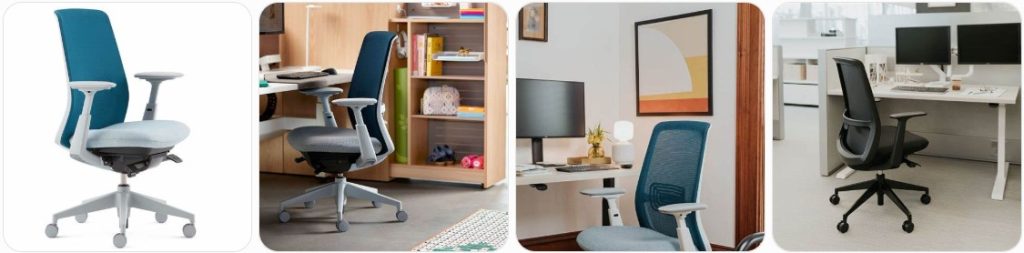
Quick Fix to Common Haworth Soji Problems
Haworth Soji seat height slowly sinks: If your Soji drops while you sit, the pneumatic gas cylinder is usually wearing out. Confirm the seat-height lever is not stuck under the seat, then replace the cylinder with a compatible office chair gas lift. You can search for a replacement office chair gas cylinder if the original cylinder is no longer holding pressure.
Haworth Soji seat will not raise or lower: On the Soji, the height paddle under the seat activates the cylinder. If nothing happens, check whether the paddle is loose, blocked by debris, or disconnected from the control mechanism. Flip the chair carefully, inspect the underside, and tighten loose screws before assuming the cylinder is bad.
Haworth Soji seat depth slider is stuck: The Soji has an adjustable seat-depth feature on many configurations. If the seat pan will not slide, pull the depth control fully while gently moving the seat forward and back. Dust, pressure on the seat, or a jammed track can stop movement. Do not force it hard because the plastic control parts can crack.
Haworth Soji recline feels too loose: If the Soji leans back too easily, adjust the recline tension control under the chair. Increase tension gradually and test the chair after each adjustment. If the knob turns but the recline does not change, the tension mechanism may be damaged and may need professional service or a replacement control assembly.
Haworth Soji recline feels locked: Some Soji chairs include back-stop or tilt-lock settings. Before replacing parts, check that the recline limiter is not engaged. Sit fully in the chair, unlock the back stop, and lean back with steady pressure. If it stays rigid, inspect the underside control cables and linkage.
Haworth Soji armrest is loose: Soji can come with fixed, height-adjustable, or 4D arms. If an arm wiggles, check the mounting bolts underneath the seat and where the arm attaches to the bracket. Tighten with the correct tool, but avoid over-tightening because stripped inserts can make the arm harder to repair.
Haworth Soji arm pad is cracked or peeling: Worn Soji arm pads can make the chair uncomfortable even if the arm frame still works. Check whether only the top pad is damaged or the full arm assembly is loose. For a budget fix, search for office chair arm pad replacements, but verify size and mounting holes before ordering.
Haworth Soji caster wheel is stuck: Hair, carpet fibers, and dust can jam the Soji caster wheels. Pull the caster from the base, clean around the axle, and test it again. If the wheel is cracked or flat-spotted, replace the full caster set. A compatible office chair caster wheel set may work if the stem size matches.
Haworth Soji makes a squeaking sound: Squeaks often come from the tilt mechanism, caster sockets, arm mounts, or seat track. Tighten visible screws first, then apply a small amount of silicone lubricant to metal pivot points only. Keep lubricant away from upholstery, mesh, and the seat cushion to avoid stains.
Haworth Soji lumbar support keeps sliding: If your Soji has the optional adjustable lumbar and it will not stay in place, inspect the rear track for dust, cracked clips, or uneven pressure. Raise and lower the lumbar slowly to feel for rough spots. If the support clip is broken, contact Haworth or an authorized dealer for the correct part.
Haworth Soji back mesh feels loose: A slightly flexible back is normal, but sagging, torn mesh, or a separated back frame is not. Check the perimeter of the back for broken clips or frame damage. Back-frame and mesh repairs are usually best handled through Haworth support or an authorized dealer because fitment is model-specific.
Haworth Soji seat cushion feels uneven: If the cushion feels lumpy or lower on one side, inspect the seat pan, foam, and mounting points. A loose seat pan can feel like bad foam. Tighten underside fasteners and check that the chair is sitting level. If the foam is compressed, the seat assembly may need replacement.
Haworth Soji base wobbles: Wobble can come from the cylinder, caster stems, or five-star base. Remove each caster and check for cracked sockets. Then check whether the cylinder is loose in the base. A damaged base should be replaced rather than glued, because the base carries your full seated weight.
Haworth Soji chair arrived with parts not working: If the chair is new or recently purchased, do not start replacing parts right away. Document the issue with photos or a short video, keep your proof of purchase, and contact Haworth or the seller. New Soji chairs may be covered by warranty depending on where and how they were purchased.

HYEJDRV Heavy Duty 500LBs Office Chair Tilt Control Mechanism Replacement Parts, Office Chair Swivel Tilt Base W/6" x 10.2" Mounting Holes - Black

Omyoffice 5.5” Office Chair Gas Lift Cylinder Replacement, Class 4 Piston | Heavy-Duty 1000 lbs, Hydraulic Pneumatic Gas Lift, Universal Fit Most Executive Gaming Desk Chairs, Black

Besitu 500Lbs Office Chair Replacement Parts, w/ 6'' x 10.2" Mounting Holes Chair Base Heavy Duty Plate Swivel Tilt Control Seat Mechanism for Executive and Gaming Chairs
How much does it cost to repair a Haworth Soji?
- Gas cylinder replacement: A compatible replacement cylinder usually costs about $25 to $70, while professional installation may add $40 to $100. The Soji uses a pneumatic lift system, so sinking or height failure is one of the more common paid repairs outside warranty.
- Caster wheel replacement: A full set of replacement casters usually costs about $20 to $60. If the caster stem size matches the Soji base, this is one of the easiest repairs to do at home with no special tools.
- Arm pad or armrest repair: Replacement arm pads may cost about $20 to $80 per pair if a compatible set is available. A full Soji arm assembly from a dealer can cost more, often around $75 to $200 depending on whether the chair has fixed, height-adjustable, or 4D arms.
- Seat-depth or tilt control repair: If the seat slider, recline limiter, or tension control is damaged, expect about $75 to $250 depending on whether a small control part or the full mechanism is needed. Labor can increase the total if the chair must be serviced by a dealer.
- Back frame or mesh replacement: Back repairs are usually more expensive because the Soji back is model-specific. A replacement back assembly can cost roughly $150 to $350 or more if available outside warranty. Contact Haworth or an authorized dealer before ordering anything.
- Seat cushion or seat pan replacement: A damaged Soji seat assembly may cost about $100 to $300 depending on fabric, cushion, and configuration. If your cushion is only dirty, cleaning is much cheaper than replacing the full seat.
- Professional inspection or repair labor: Local office chair repair services may charge about $50 to $150 for basic inspection and labor. Dealer-based service can cost more but is usually safer for Soji-specific parts, warranty questions, and control mechanism issues.
- Warranty repair: If your Soji was purchased new from Haworth or an authorized Haworth dealer and the issue is covered, your out-of-pocket cost may be low or zero. Warranty eligibility depends on purchase date, region, ownership, normal use, and the exact failed part.
Order Parts for Your Broken Haworth Soji
- Haworth or an authorized Haworth dealer: Best option for Soji-specific parts such as back assemblies, seat pans, lumbar components, arm assemblies, and tilt controls.
- Haworth Store support: Good option if you bought your Soji directly online and need warranty help, order support, or replacement guidance.
- Office chair repair shops: Useful for cylinder removal, caster replacement, stuck mechanisms, and diagnosing whether the Soji needs a standard part or a model-specific Haworth part.
- Amazon replacement parts: Useful for generic parts such as casters, cylinder removal tools, chair mats, lubricants, and some universal arm pads. Always measure before ordering.
When ordering parts for a broken Haworth Soji, do not rely on looks alone. Check the chair label, configuration, arm style, base type, and the exact symptom. Generic parts can work for simple repairs like casters or gas cylinders, but Soji-specific items such as the back frame, lumbar support, seat pan, and control mechanism should usually come from Haworth or an authorized dealer.
For basic DIY repairs, useful searches include office chair gas lift replacement, office chair caster wheels, office chair cylinder removal tool, and silicone lubricant for chair mechanisms.
HYEJDRV Heavy Duty 500LBs Office Chair Tilt Control Mechanism Replacement Parts, Office Chair Swivel Tilt Base W/6" x 10.2" Mounting Holes - Black
Omyoffice 5.5” Office Chair Gas Lift Cylinder Replacement, Class 4 Piston | Heavy-Duty 1000 lbs, Hydraulic Pneumatic Gas Lift, Universal Fit Most Executive Gaming Desk Chairs, Black
Besitu 500Lbs Office Chair Replacement Parts, w/ 6'' x 10.2" Mounting Holes Chair Base Heavy Duty Plate Swivel Tilt Control Seat Mechanism for Executive and Gaming Chairs
Haworth Soji Repair & Service Center Near You
The best place to start for Haworth Soji repair is Haworth’s official dealer network. Use the official Haworth Dealer Locator to find a nearby authorized dealer that can help with Soji parts, warranty questions, and service options. You can also use Haworth’s official How to Buy page if you need help finding a local dealer, showroom, or purchasing contact.
If your Soji chair was purchased directly from the Haworth online store, contact Haworth Store support first. If it was purchased through an office furniture dealer, office liquidation company, employer, or marketplace, the repair path may be different. For warranty claims, keep the proof of purchase, product label, photos of the chair, and a short description of the problem.
Warranty Coverage for Haworth Soji
Haworth Soji warranty coverage depends on where the chair was purchased, when it was purchased, whether it was bought new, and whether it came from Haworth or an authorized Haworth dealer. Haworth’s current North America Limited Warranty applies to covered products sold by Haworth or an Authorized Haworth Dealer after March 1, 2025. Haworth’s online store also advertises Soji with a 12-year warranty in eligible regions, but the exact coverage can vary by part, region, and purchase channel.
In general, warranty coverage is more likely to help with manufacturing defects, failed mechanisms, broken authorized components, and problems that happen under normal use. Warranty coverage may not apply to damage from misuse, unauthorized modifications, normal wear, abuse, improper cleaning, secondhand purchases, or non-Haworth replacement parts. Always review the official Haworth Warranty page before buying replacement parts.
Before contacting Haworth, take clear photos of the broken area, the whole chair, the product label under the seat, and your proof of purchase. This makes it easier for Haworth or a dealer to confirm whether your Soji is covered and which part is needed.
Haworth Soji Diagram & Manual
For official Haworth Soji diagrams, installation documents, and service instructions, use Haworth’s own design resources and instruction pages. The official Haworth Soji & XL Task Chair Installation Instructions document is a useful starting point for assembly layout, chair parts, and underside components.
You can also search Haworth’s official instruction library for Soji-related documents, such as arm cap replacement, caster replacement, task chair installation, and adjustment instructions. Use official Haworth documents whenever possible because Soji parts can vary by configuration, including standard Soji, Soji XL, different arm options, adjustable lumbar, mesh back, upholstered back, and stool versions.
Tips to Make Your Haworth Soji Last Longer
- Adjust the Soji before daily use: Set the seat height, seat depth, lumbar, arms, and recline tension to your body. A poorly adjusted Soji can put extra pressure on the seat slider, arms, and back support.
- Do not force the seat-depth slider: If the seat pan does not move, lift your weight off the seat and try again. Forcing the control can damage the slider or cable.
- Keep the caster wheels clean: Remove hair and fibers from the Soji casters every few months. Jammed casters can strain the base and make the chair feel unstable.
- Use the right casters for your floor: Hard casters on hard floors can slide too much and wear faster. Use a chair mat or floor-appropriate caster wheels to protect both the Soji and the floor.
- Avoid leaning heavily on one armrest: Soji armrests are made for arm support, not full body weight. Pushing down hard on one arm can loosen the bracket or crack an arm pad.
- Clean the mesh and cushion gently: Use mild soap, water, and a soft cloth when appropriate. Avoid harsh solvents, bleach, or soaking the cushion unless Haworth’s care instructions allow it for your exact material.
- Check underside screws twice a year: Lightly inspect the seat, arms, and mechanism bolts. Tightening small looseness early can prevent bigger Soji repair problems later.
- Do not modify the mechanism: Avoid drilling, bending, or forcing the Soji tilt mechanism. If the recline control fails, get the correct replacement part instead of trying to reshape the metal linkage.
- Protect the lumbar track: If your Soji has adjustable lumbar support, move it gently and keep the rear back area clean. A dirty or cracked track can make the lumbar support slip.
- Use the chair within normal seating conditions: Avoid standing on the Soji, dropping into it, dragging it by the arms, or using it on rough outdoor surfaces. These are common ways to damage the base, cylinder, and casters.
Broken Haworth Soji Repair FAQ
Why does my Haworth Soji chair keep sinking?
A sinking Haworth Soji usually means the pneumatic gas cylinder is failing. First check that the height paddle is not stuck or pressing the release. If the lever is fine and the chair still drops while sitting, the cylinder likely needs replacement.
Can I replace the Haworth Soji gas cylinder myself?
Yes, many people can replace the gas cylinder at home, but removal can be difficult because the cylinder is pressure-fitted into the seat mechanism and base. A pipe wrench, rubber mallet, or cylinder removal tool may be needed. If the chair is under warranty, contact Haworth first.
Why is my Haworth Soji seat depth adjustment stuck?
The seat-depth slider may be locked under body weight, jammed with debris, or stuck because the release control is not fully engaging. Stand up, pull the control fully, and gently slide the seat. If it still will not move, inspect the underside track and contact Haworth if the part is broken.
How do I fix a loose Haworth Soji armrest?
Check the bolts where the arm attaches under the seat and tighten them carefully. If the looseness is inside the height-adjustable or 4D arm mechanism, the arm assembly may be worn. In that case, a replacement arm or dealer service may be needed.
Can I replace Haworth Soji arm pads?
It may be possible, depending on your Soji arm style and available parts. Measure the arm pad and check the mounting style before buying generic pads. For the best fit, contact Haworth or an authorized dealer for the correct Soji arm pad or arm assembly.
Why does my Haworth Soji recline not work?
The recline limiter may be engaged, the tension may be set too high, or the underside tilt control may be damaged. Check the recline lock and tension settings first. If the controls move but the back does not respond, the tilt mechanism may need service.
Why does my Haworth Soji squeak when I lean back?
Squeaking usually comes from the tilt mechanism, caster sockets, arm mounts, or seat pan connection. Tighten loose fasteners and apply a small amount of silicone lubricant to metal pivot points. Do not spray lubricant on the mesh, upholstery, or cushion.
Can I replace the Haworth Soji caster wheels?
Yes, caster replacement is usually simple if the stem size matches the Soji base. Pull the old caster straight out, clean the socket, and press the new caster in firmly. If the base socket is cracked, replace the base instead of only the caster.
Where can I buy official Haworth Soji replacement parts?
The best option is Haworth or an authorized Haworth dealer. Use the Haworth Dealer Locator to find a local source. Official channels are especially important for Soji-specific parts like the back frame, lumbar support, seat pan, arms, and mechanism.
Is a used Haworth Soji still covered by warranty?
Warranty coverage can depend on region, purchase channel, original ownership, and proof of purchase. Many manufacturer warranties are easiest to claim when the chair was bought new from Haworth or an authorized dealer. Contact Haworth with the chair label and purchase details to confirm.
Should I repair or replace a broken Haworth Soji?
Repair is usually worth it for simple issues like casters, a gas cylinder, loose arms, or minor squeaks. Replacement may make more sense if the back frame, seat pan, tilt mechanism, and arms are all damaged, especially if the chair is out of warranty.
Can I use universal office chair parts on a Haworth Soji?
Sometimes. Universal casters and some gas cylinders may work if the size matches. However, Soji-specific parts like the back, lumbar, seat slider, arms, and control mechanism should be matched through Haworth or a dealer to avoid fitment and safety problems.
Summary
A broken Haworth Soji does not always mean the chair is done. Start with simple checks like the height lever, recline settings, arm bolts, casters, and seat slider. Use generic parts only when fitment is clear, and use Haworth or an authorized dealer for Soji-specific repairs. If the chair is newer, check warranty coverage before spending money on parts.
HYEJDRV Heavy Duty 500LBs Office Chair Tilt Control Mechanism Replacement Parts, Office Chair Swivel Tilt Base W/6" x 10.2" Mounting Holes - Black
Omyoffice 5.5” Office Chair Gas Lift Cylinder Replacement, Class 4 Piston | Heavy-Duty 1000 lbs, Hydraulic Pneumatic Gas Lift, Universal Fit Most Executive Gaming Desk Chairs, Black