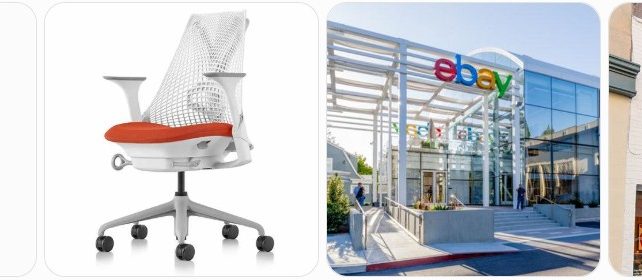
Buying a used Herman Miller Sayl can be a great way to get a real designer ergonomic chair for less. This guide covers where to shop, what prices make sense, what features to check, and the red flags to avoid…
Office Chair Repairs and Parts.
Buying a used Herman Miller Sayl can be a great way to get a real designer ergonomic chair for less. This guide covers where to shop, what prices make sense, what features to check, and the red flags to avoid…
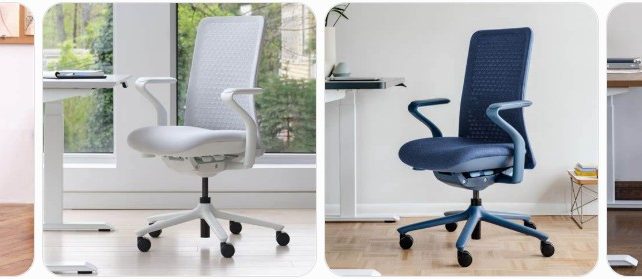
Branch Verve Chair broken, sinking, wobbling, or not adjusting right? Don’t worry—most Verve Chair problems are fixable with a careful inspection, a few basic tools, and the right replacement parts. Quick Fix to Common Branch Verve Chair Problems Branch Verve…
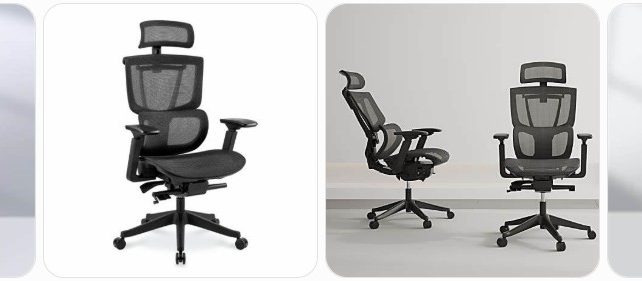
Fixing a broken FlexiSpot C7 is usually pretty manageable if you know which part is acting up. This guide covers the most common C7 problems, repair costs, parts, warranty help, manuals, and simple maintenance tips so you can get your…
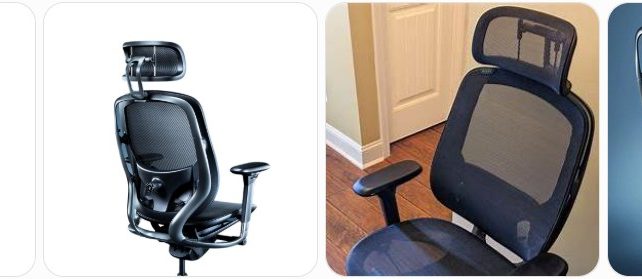
Razer Fujin Pro repairs can feel tricky because this chair has a premium mesh build, aluminum alloy frame, 4D armrests, adjustable lumbar, removable headrest, and multi-control recline system. The good news is many issues are fixable with careful adjustment, cleaning,…
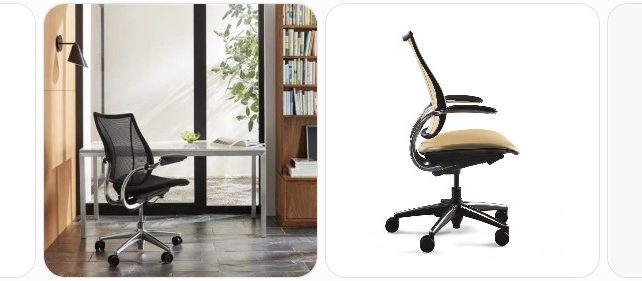
Fixing a broken Humanscale Liberty is usually worth checking before replacing the whole chair. Many issues come from the cylinder, casters, arms, seat pan, or back mesh area. Here’s a practical repair guide for diagnosing common Liberty chair problems, ordering…
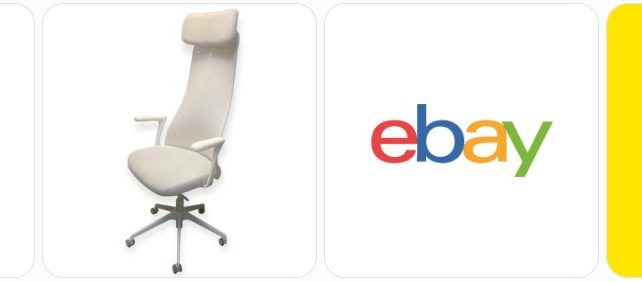
IKEA Järvfjället is one of those IKEA office chairs people still search for secondhand because it looks clean, has adjustable support, and can be a smart buy when the price is right. Is a Used/Refurbished IKEA Järvfjället Worth Buying? A…
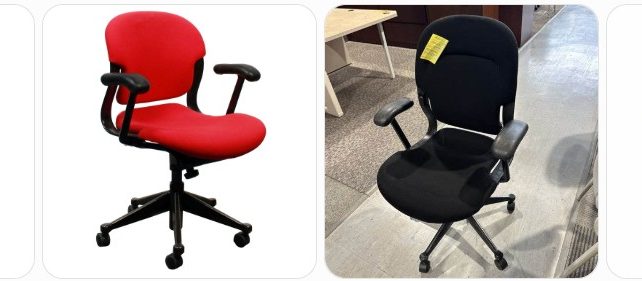
Herman Miller Equa is an older ergonomic classic, so buying used or refurbished can be a smart way to get a durable Herman Miller chair without paying modern flagship prices. Is a Used/Refurbished Herman Miller Equa Worth Buying? A used…
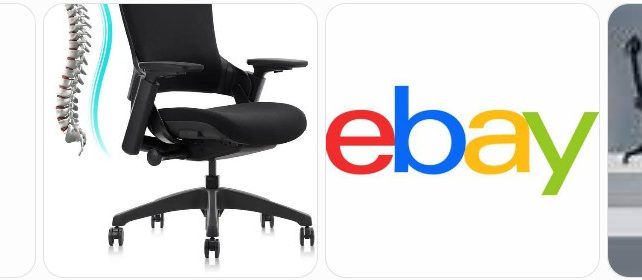
CLATINA Mellet is one of those budget ergonomic chairs people often look for used because it already has a pretty good feature set when new. If you want one cheaper, here’s where to buy a used or refurbished CLATINA Mellet…
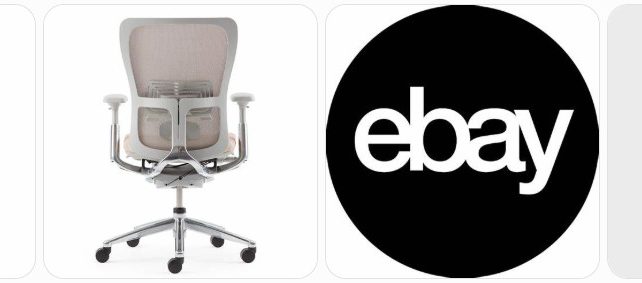
Haworth Zody is one of those premium ergonomic chairs that can be a really smart used buy if you know what to check. Here’s a simple, detailed guide to finding a used or refurbished Zody online without overpaying or ending…
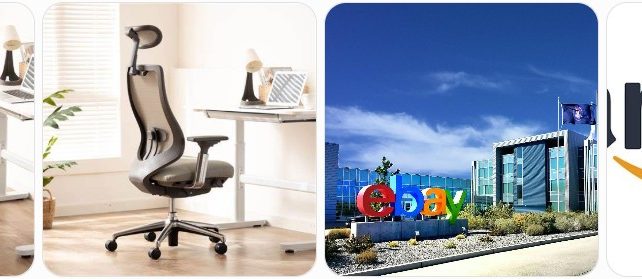
Colamy Atlas is one of those chairs people often look for used because it has premium ergonomic features without the super-premium price tag. If you are shopping online, here is how to find a used or refurbished Colamy Atlas without…