An ergonomic chair is a long-term investment in your comfort and health, but like any mechanical device, it wears down over time. Bolts loosen, gas lifts slowly leak, wheels grind, and upholstery collects sweat, dust, and skin oils. Without regular care, those small issues eventually turn into expensive repairs or a full chair replacement. Thoughtful maintenance spreads out the wear, prevents sudden failures, and keeps the chair supporting your posture the way it was designed to. A few minutes of simple checks each month can easily add years to the life of a good ergonomic chair.
Build a Simple Maintenance Schedule
Instead of waiting until something breaks, treat your chair like a piece of equipment you service on a schedule.
- Weekly: Quick visual check for loose parts, leaning, or unusual noises.
- Monthly: Tighten hardware, wipe down surfaces, and clean casters.
- Every 6–12 months: Deep inspection of the base, gas lift, tilt mechanism, and upholstery.
If you want a ready-made checklist, you can borrow ideas from the habits outlined in the dedicated guide on preventive maintenance tips for office chair longevity and adapt them to your specific chair.
Monthly Fastener Check: Stop Wobbles Before They Start
The easiest way to avoid expensive structural failures is to keep bolts and screws from loosening in the first place.
- Flip the chair gently onto its side so you can see the underside of the seat, tilt mechanism, and base.
- Use the correct hex keys and screwdrivers to snug down all visible fasteners on the seat plate, armrests, backrest brackets, and base connection.
- Do not over-tighten; aim for firm and even resistance.
- If certain bolts repeatedly work loose, add a small dab of medium-strength thread locker from a thread-locker kit before tightening.
Catching loose hardware early is one of the best ways to prevent the classic problems covered in depth in the article on wobbly office chair bases.

Replacement Hardware Repair Kit for Office Chair Gas Lift Cylinder - Includes Clip, washers, & Bearing - S4451-K

2" Office Chair Casters Wheels, 5-Pack, 10x15mm Threaded Stem Castor
Keep Moving Parts Clean and Lubricated
Most squeaks and stiffness in ergonomic chairs come from dry or dirty moving parts.
- Flip the chair to expose the tilt and height mechanisms.
- Spray a light coat of silicone spray lubricant on pivot points, springs, and metal joints where the seat and back move.
- Work the mechanism through its full range several times to distribute the lubricant.
- Wipe away excess so dust will not stick and form sludge.
If your chair already squeaks when you lean or spin, pair this maintenance step with the quick fixes in the guide on how to fix a squeaky office chair in 10 minutes for a deeper reset.
Protect and Maintain Casters and the Base
Casters and bases quietly take the most abuse. When they wear out, your chair starts to wobble, scrape, or feel unstable.
- Every month, flip the chair and spin each wheel by hand.
- Remove hair, thread, and dust from around the axles and housings.
- If a wheel feels rough, wobbly, or cracked, plan to replace the full set.
- Inspect the five-star base for hairline cracks at the hub and along the legs.
If you work on hardwood or tile, consider upgrading to rollerblade-style PU office chair wheels that roll smoother and protect floors. For carpets, a heavy-duty chair mat reduces friction on the casters and stress on the base.
Gas Lift and Height Adjustment Care
The gas cylinder is what keeps your ergonomic chair at the right height. When it fails, the chair slowly sinks or begins to wobble in the column.
- Wipe dust and debris from around the cylinder shroud once a month so grit does not work into the seals.
- Avoid slamming down into the chair or using it as a step stool, which overloads the cylinder.
- If the chair starts to sink during the day, that is usually a sign the cylinder is wearing out.
- When replacement becomes necessary, you can swap in a universal office chair gas lift cylinder replacement instead of buying a whole new chair.
Replacing the cylinder proactively when it first shows signs of failure is far cheaper than continuing to stress the rest of the frame and mechanism with a wobbly, unstable center column.

Omyoffice 5.5” Office Chair Gas Lift Cylinder Replacement, Class 4 Piston
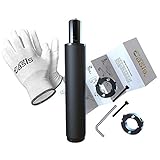
Office Chair Cylinder Replacement with Removal Tool (As Seen On PBS) - Heavy Duty Pneumatic Gas Lift Piston for Desk Chairs and Gaming Chairs - Universal Fit

9 Inches to 13 Inches Office Chair Cylinder Replacement, 4'' Stroke, Heavy Duty 1000 lbs, Hydraulic Pneumatic Shock Piston, Universal Gas Cylinder Fit for Most Office Chairs, Class 4 (Black)
Adjusting Tilt, Tension, and Armrests to Reduce Wear
How you sit can be just as important as how you maintain the hardware. Poor adjustment habits create constant, uneven stress on a few parts instead of spreading load across the frame.
- Set tilt tension so you are not slamming into the end of the recline every time you lean back.
- Use tilt limiters or lockout features if your chair has them to prevent overly aggressive rocking.
- Adjust armrests so you are not leaning heavily on one side all day, which can twist the backrest brackets and base.
- Keep the seat height such that your feet are flat on the floor and your knees are at roughly 90 degrees.
Balanced, neutral posture not only feels better but also reduces the chances of bending bolts, stretching fabric, or cracking plastic joints over time.
Cleaning and Protecting Upholstery and Mesh
Sweat, body oils, dust, and food crumbs are the enemies of fabrics and foam. Left alone, they break down padding, discolor surfaces, and make your chair smell tired.
- Vacuum mesh and fabric surfaces weekly using the brush attachment to lift dust and crumbs.
- Spot-clean stains with a mild upholstery cleaner for office chairs and a soft cloth.
- For leather, wipe with a damp cloth, then occasionally apply a dedicated leather cleaner and conditioner kit to prevent cracking.
- Consider removable office chair armrest covers if your arm pads wear out quickly.
Keeping the upholstery healthy not only improves comfort but also helps the chair look newer for longer, which matters if you ever decide to resell or reuse it in another space.

Melaluxe Office Chair Armrest Covers, Stretchable Removable Washable Chair Arm Covers, Elastic Desk Computer Gaming Chair Arm Rest Protector Slipcovers (Black)

Aloudy Ergonomic Memory Foam Office Chair Armrest Pads, Comfy Gaming Chair Arm Rest Covers for Elbows and Forearms Pressure Relief(Set of 2), Stretch Fit, Black

BAIDATONG Office Chair Arm Covers,Office Chair Arm Rest Cover Gaming Chair Armrest Covers Office Removable Arm Rest Covering Elastic Chair Armrest Cover (Black, 2Pcs/Set (10-13) x (2-4) x 1.9 inches)
Brand-Specific Maintenance Tips Still Apply
Many ergonomic chairs share the same basic parts, but each brand also has its own quirks. Gas lifts, tilt mechanisms, and arm designs can vary from one model to another.
When you run into an issue that is specific to your chair, it is worth checking whether there is a brand-focused repair guide on OfficeChairFix.com. For example, if you own a popular mesh or gaming chair, there may already be a detailed repair walkthrough that shows you exactly which parts to inspect and how to adjust them.
Yearly Deep Inspection and When to Retire a Chair
Once or twice a year, give your ergonomic chair a full top-to-bottom inspection.
- Remove the seat and back if possible to inspect internal brackets and mounting points.
- Look for cracks in plastic components, bent metal parts, or rust around high-stress joints.
- Check whether the tilt and recline still feel controlled and consistent, without sudden drops or sticking points.
- Inspect the foam and mesh for permanent sagging that no adjustment can correct.
At some point, maintenance and part swaps are no longer cost-effective. When you are replacing multiple major components or the frame itself is cracked, it can be smarter to put that money toward a new chair. For help deciding where that line is, you can cross-reference your findings with the guidance in how often office chairs should be replaced.
Final Thoughts
Ergonomic chair maintenance is not complicated, but it does require consistency. Tightening hardware, cleaning and lubricating moving parts, protecting casters and bases, caring for upholstery, and doing a yearly deep inspection all work together to prevent expensive failures.
With a small set of basic tools, a few inexpensive products like silicone lubricant and a universal office chair repair kit, you can keep your ergonomic chair smooth, quiet, supportive, and looking good for years—while avoiding the shock of sudden, expensive repairs.

Besitu 500Lbs Office Chair Replacement Parts, w/ 6'' x 10.2" Mounting Holes Chair Base Heavy Duty Plate Swivel Tilt Control Seat Mechanism for Executive and Gaming Chairs

HYEJDRV Heavy Duty 500LBs Office Chair Tilt Control Mechanism Replacement Parts, Office Chair Swivel Tilt Base W/6" x 10.2" Mounting Holes - Black