
Fixing a broken Humanscale Liberty is usually worth checking before replacing the whole chair. Many issues come from the cylinder, casters, arms, seat pan, or back mesh area. Here’s a practical repair guide for diagnosing common Liberty chair problems, ordering parts, checking warranty coverage, and keeping the chair working smoothly.
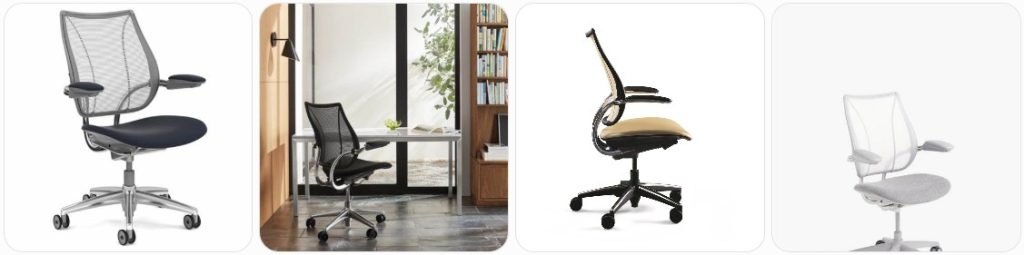
Quick Fix to Common Humanscale Liberty Problems
Humanscale Liberty chair keeps sinking: If your Liberty slowly drops while you sit, the pneumatic cylinder is usually worn out. First confirm the height paddle is not stuck under the seat. If the lever is free but the chair still sinks, replace the cylinder with a compatible Humanscale Liberty gas cylinder replacement.
Liberty chair will not raise or lower: Check that the height lever is actually contacting the release button on top of the cylinder. On older Liberty chairs, the lever linkage can get bent, loose, or misaligned. If the lever moves normally but nothing happens, the cylinder or seat-control assembly may need replacement.
Gas cylinder is stuck in the base: Liberty cylinders are pressure-fitted into the base and seat mechanism, so they can seize over time. Apply penetrating oil around the connection, let it soak, then twist with a pipe wrench. A office chair cylinder removal tool can make the job easier and safer.
Humanscale Liberty recline feels too loose: The Liberty uses Humanscale’s automatic, weight-sensitive recline design, so it does not adjust like a knob-based chair. If the recline feels uncontrolled, check whether the seat mechanism, back frame, or recline spring assembly is loose or damaged. Tighten visible mounting hardware and contact Humanscale if the mechanism no longer supports your weight.
Liberty chair will not recline: The Liberty is designed for hands-free recline, so there may not be a traditional tilt-tension knob to adjust. Make sure nothing is blocking the back frame, seat pan, or arm structure. If the chair stays rigid, the recline mechanism, back support frame, or internal control components may be stuck or worn.
Backrest feels loose or wobbly: Inspect the back frame where it connects to the lower chair structure. The Liberty’s tri-panel mesh back depends on a stable frame, so wobble should not be ignored. Tighten accessible fasteners carefully. If the plastic, aluminum, or back pin area is cracked, stop using the chair until the damaged part is replaced.
Liberty back mesh is sagging: Humanscale Liberty uses a form-sensing tri-panel mesh back, not a simple stretched fabric panel. Light flexibility is normal, but heavy sagging, loose side panels, or uneven support may mean the mesh or back frame is damaged. Do not cut, sew, or glue the mesh. Replace the back assembly if support is gone.
Back mesh is torn or fraying: Avoid patching load-bearing Liberty mesh with tape, glue, or sewing because the tear can spread. Check if the damage is only cosmetic or if the mesh is pulling away from the frame. For structural mesh failure, order a genuine backrest assembly or contact Humanscale warranty support before modifying it.
Seat cushion is flattened: Liberty task chairs may use a standard foam seat pan or optional gel seat, depending on configuration. If the seat feels hard, uneven, or compressed, the cushion may be worn. A complete replacement seat pan is usually better than adding a loose cushion because extra height can affect the Liberty’s ergonomic geometry.
Seat pan rocks side to side: Side-to-side movement can come from loose seat bolts, a worn cylinder, or a damaged seat mechanism. Tighten the fasteners underneath the seat first. If the rocking comes from the cylinder socket or control plate, replacing the gas cylinder or seat mechanism may be necessary.
Seat feels tilted forward or backward: Liberty chairs are built with a specific seat angle, so sudden unevenness usually means something is loose, bent, or incorrectly assembled. Check the cylinder seating, base, casters, and seat mechanism bolts. If the chair was recently repaired, confirm the cylinder and mechanism are fully seated and centered.
Liberty arms are loose: Humanscale Liberty arms may be fixed, adjustable, advanced, Duron, gel, or armless depending on the chair configuration. Tighten the arm mounting hardware underneath the seat or back connection. If the arm post is cracked or the height mechanism slips, replace the arm assembly rather than forcing the adjustment.
Adjustable arm will not stay up: If your Liberty has adjustable arms and one side slides down, the internal height-locking mechanism may be worn. Clean the adjustment track and check for visible debris. If the button clicks but does not hold, the arm support likely needs replacement, especially if the chair has heavy daily use.
Arm pad is cracked or peeling: Liberty arm pads can wear from sweat, friction, cleaning chemicals, or years of pressure. If the pad is cracked but the arm frame is solid, replace only the arm pad if available. Search for Humanscale Liberty arm pad replacement and compare the mounting style.
Casters do not roll smoothly: Pull each caster from the Liberty base and remove hair, dust, thread, and debris from the wheel axle. If the wheel is flat-spotted or cracked, replace the set. Match the stem size before buying Humanscale Liberty caster replacement wheels.
Chair scratches hardwood floors: Liberty chairs can be configured with hard casters, soft casters, or glides. If your chair is damaging the floor, switch to soft casters for hard floors or use a chair mat. Measure the original caster stem before ordering soft office chair casters for hardwood floors.
Caster keeps falling out: Remove the caster and check the metal grip ring on the stem. If the ring is missing, crushed, or loose, replace the caster. If the socket in the Liberty base is cracked or stretched, the base may need replacement because a new caster will not hold securely.
Liberty base is cracked: Stop using the chair immediately. A cracked base is a safety issue and should not be repaired with glue, tape, screws, or epoxy. Replace it with a compatible Humanscale base or a properly rated aftermarket base that matches the cylinder taper and caster stem size.
Chair squeaks when reclining: A Liberty squeak often comes from dry pivot points, loose mounting bolts, caster debris, or movement around the cylinder socket. Tighten visible hardware first. Use a small amount of dry silicone lubricant for office chairs on metal pivot areas only, avoiding the mesh, cushion, and floor.
Chair clicks when leaning back: A light click may come from the recline structure shifting under load, but loud popping is not normal. Inspect the back frame, seat mechanism, and cylinder connection. If the chair drops, jerks, or shifts suddenly during recline, stop using it until the damaged mechanism is replaced.
Liberty feels unstable after cylinder replacement: The cylinder may not be fully seated in the base or seat mechanism. Sit carefully and let your body weight press the tapers into place. If the chair still rocks, verify the cylinder length, taper fit, and base socket. A wrong cylinder can make the chair feel unsafe.
Seat height is wrong after repair: Liberty chairs can be configured with different cylinder heights, including standard, low, tall, return-to-height, and stool-height options. If the repaired chair sits too high or too low, you may have installed the wrong cylinder. Compare the replacement cylinder with the original before final assembly.
Return-to-height cylinder no longer returns: Some Liberty configurations use return-to-height cylinders, especially in shared or conference spaces. If the chair no longer returns after someone stands up, the cylinder may be worn or the return function may be damaged. Replace it with the same return-to-height type, not a standard cylinder.
Liberty task stool footring is loose: If you have the Liberty task stool version, check the footring collar and set screw. Tighten the ring evenly around the cylinder without overtightening. A slipping footring can scratch the cylinder or create an unsafe step point, so replace the collar if it no longer clamps properly.
Fabric seat is stained: Vacuum loose debris first, then clean gently according to the textile type. Do not soak the Liberty seat foam or use harsh solvent cleaners. For deep staining, use a fabric-safe upholstery cleaner or contact Humanscale for textile care instructions. Avoid bleach because it can damage fabric and foam.
Leather or vinyl seat is cracking: Liberty seats may come in several textile and leather options. Cracking usually comes from age, sunlight, body oils, or harsh cleaners. Clean with a material-appropriate product and avoid alcohol-heavy wipes. If the surface is splitting, replacing the seat pan is usually cleaner than re-covering it poorly.
Chair smells musty: Remove dust from the mesh back and vacuum the seat seam areas. Let the Liberty air out in a dry, shaded room. Do not pressure-wash the chair or soak the seat foam. If odor is coming from old foam or liquid damage, replacing the seat pan may be the best fix.
Back support feels uneven: The Liberty’s form-sensing mesh should support the back evenly across the tri-panel design. If one side feels softer or lower, inspect the mesh panels, back frame, and side attachment points. Uneven support may mean the mesh has stretched, separated, or the back frame is damaged.
Chair was assembled incorrectly: Compare your Liberty with the official installation manual and check the cylinder, base, seat, arms, back, and casters. Humanscale chairs often use fewer visible controls, so wrong assembly can feel like a broken recline. Reinstall parts carefully and avoid forcing hardware into the wrong mounting holes.

Besitu 500Lbs Office Chair Replacement Parts, w/ 6'' x 10.2" Mounting Holes Chair Base Heavy Duty Plate Swivel Tilt Control Seat Mechanism for Executive and Gaming Chairs

Omyoffice 5.5” Office Chair Gas Lift Cylinder Replacement, Class 4 Piston

HYEJDRV Heavy Duty 500LBs Office Chair Tilt Control Mechanism Replacement Parts, Office Chair Swivel Tilt Base W/6" x 10.2" Mounting Holes - Black
How much does it cost to repair a Humanscale Liberty?
- Basic cleaning and inspection: Usually $0 to $25 if you do it yourself. This includes vacuuming the mesh, cleaning the casters, checking the arms, tightening accessible fasteners, and inspecting the cylinder/base connection.
- Professional chair inspection: Around $50 to $120 depending on your local office-furniture repair shop. This is useful if the Liberty recline mechanism, back frame, or cylinder connection feels unsafe and you are not sure which part failed.
- Gas cylinder replacement: Usually $40 to $120 for the part, depending on whether you need standard, low, tall, return-to-height, stool-height, or heavy-duty sizing. Labor can add another $50 to $120 if the old cylinder is stuck.
- Cylinder removal tool or labor: Around $20 to $60 for a removal tool, or $50 to $100 for a repair shop to remove a seized cylinder. Older Liberty chairs can be difficult because the cylinder taper may be tightly locked into the base and mechanism.
- Replacement casters: Usually $25 to $75 for a set. Soft casters for hard floors, standard hard casters, and glides may vary in price. Always match the caster stem size and floor type before ordering.
- Replacement arm pads: Around $30 to $90 per pair when compatible pads are available. Genuine Humanscale arm pads may cost more than generic pads but usually fit better and keep the chair closer to original condition.
- Replacement arm assembly: Usually $80 to $250 depending on whether your Liberty has fixed arms, adjustable arms, advanced arms, Duron arms, or gel arms. Exact pricing depends heavily on configuration and part availability.
- Replacement seat pan: Around $120 to $350 depending on fabric, leather, gel, foam, and color. A genuine seat pan is usually the cleanest repair for flattened foam, torn upholstery, or liquid-damaged seating.
- Replacement backrest assembly: Usually $180 to $450 or more depending on frame finish, mesh style, and availability. Since Liberty’s tri-panel mesh is structural, replacing the full back is usually safer than trying to patch the mesh.
- Replacement five-star base: Around $80 to $250 depending on whether you need a standard matching base or polished aluminum base. Make sure it fits the Liberty cylinder and caster setup.
- Recline mechanism repair: Around $150 to $400 or more if the weight-sensitive recline or seat-control structure is damaged. Because Liberty uses a specialized mechanism, genuine parts or authorized repair support is strongly recommended.
- Task stool footring repair: Around $40 to $150 for a replacement footring or collar hardware. This only applies to Liberty stool-height versions with a footring.
- Full refurbishment: Around $300 to $800 depending on parts. If the chair needs a seat, back, cylinder, casters, and arms, compare the total cost with a used or new Liberty before spending heavily.
- Warranty-covered repair: Potentially $0 for eligible parts if the chair is still covered and the issue qualifies under Humanscale warranty terms. You will usually need proof of purchase, model details, photos, and sometimes the original order information.
Order Parts for Your Broken Humanscale Liberty
- Humanscale support: Start with official Humanscale support if the broken part is model-specific, such as the backrest, seat pan, arm assembly, base, or recline mechanism.
- Humanscale authorized reseller: Use the official Humanscale reseller locator to find dealers who may help with replacement parts, warranty guidance, and service options.
- Amazon replacement parts: Amazon can be useful for common parts like cylinders, casters, tools, lubricants, and arm pads. Search for Humanscale Liberty replacement parts, but verify all dimensions before buying.
- Used Humanscale chair sellers: A donor Liberty chair can be helpful for genuine arms, back frames, bases, or seat pans. Inspect used mesh, cylinders, casters, and frame parts carefully before purchase.
When ordering parts for a Humanscale Liberty, do not rely only on the chair name. Liberty chairs can be configured with different arms, cylinders, casters, bases, fabrics, leathers, seat options, and stool-height versions. Find the product label under the seat and record the full model code if available.
Measure before you buy. For casters, measure the stem diameter and length. For gas cylinders, compare overall length, travel, taper fit, and whether the chair uses standard or return-to-height functionality. For arms, compare the mounting style and whether your chair uses fixed, adjustable, advanced, Duron, or gel arms.
For expensive parts like the backrest, seat pan, or recline mechanism, official Humanscale support or an authorized reseller is usually the safest route. Aftermarket parts may work for simple items like casters, but Liberty-specific structural parts are harder to match correctly.
Besitu 500Lbs Office Chair Replacement Parts, w/ 6'' x 10.2" Mounting Holes Chair Base Heavy Duty Plate Swivel Tilt Control Seat Mechanism for Executive and Gaming Chairs
Omyoffice 5.5” Office Chair Gas Lift Cylinder Replacement, Class 4 Piston
HYEJDRV Heavy Duty 500LBs Office Chair Tilt Control Mechanism Replacement Parts, Office Chair Swivel Tilt Base W/6" x 10.2" Mounting Holes - Black
Humanscale Liberty Repair & Service Center Near You
Humanscale does not usually work like a local walk-in chair repair chain, but you can still find help through official support, authorized resellers, and regional Humanscale offices. For nearby buying or service guidance, use the official Humanscale reseller locator. You can search by location and look for dealers that handle Humanscale seating.
For warranty, order, or product-support questions, use the official Humanscale support request page. This is the better option if your Liberty has a broken backrest, failed recline mechanism, defective cylinder, cracked base, or a part that may still be covered by warranty.
Before contacting a reseller or support center, prepare the following:
- The full Humanscale Liberty model number or product code from under the seat
- Proof of purchase, invoice, or order confirmation
- Photos of the full chair and close-up photos of the broken part
- A short video showing sinking, wobbling, recline failure, or unusual movement
- Your chair configuration, including arms, cylinder height, caster type, and seat material
- Your shipping location in case a replacement part needs to be sent
If your chair is outside warranty, search for an office-furniture repair company near you and tell them it is a Humanscale Liberty with automatic weight-sensitive recline and tri-panel mesh back. Avoid general upholstery-only shops for structural repairs because the Liberty back mesh and recline system are not simple generic chair parts.
Warranty Coverage for Humanscale Liberty
Humanscale advertises the Liberty Task chair with a 15-year, 24/7 warranty on its official product page. Warranty coverage can still depend on the exact chair version, country, purchase channel, original buyer status, usage conditions, and the written warranty terms that applied at the time of purchase.
A Humanscale Liberty warranty claim may cover defects in materials or workmanship, but it may not cover damage from misuse, abuse, modification, unauthorized repair, normal wear, stains, improper cleaning, incorrect installation, or parts damaged by non-Humanscale replacement components. Always check the official Humanscale warranty/legal page for the latest terms.
For a smoother warranty claim, do not throw away broken parts. Do not drill, glue, weld, cut, repaint, or permanently modify the chair before contacting Humanscale. If the problem involves the cylinder, base, back frame, arm assembly, or recline mechanism, photos and videos are usually very helpful.
Common Liberty issues that may be worth asking warranty support about include:
- Premature gas cylinder failure
- Broken back frame or back pins
- Recline mechanism failure
- Cracked base under normal use
- Arm assembly failure
- Seat pan or backrest defects
- Mesh separation from the frame
- Manufacturing defects in new or recently purchased chairs
Warranty coverage may be different for textiles, cushions, arm pads, casters, and other wear items. If your Liberty is used, refurbished, bought secondhand, or purchased through a liquidation seller, contact Humanscale with the serial/model information before assuming it is covered.
Humanscale Liberty Diagram & Manual
For official Liberty instructions, use the Humanscale manual and installation download page here: Humanscale Liberty manuals and installation instructions. This page includes Liberty-related product manuals, custom-fit instructions, and installation/maintenance documents.
Humanscale’s Liberty product page also links to the installation manual, cleaning guidelines, warranty details, and customer-service information. You can view the official Liberty product page here: Humanscale Liberty Task Chair.
Use the manual before disassembling the chair. The Liberty has fewer visible controls than many task chairs, and the recline system is designed to be automatic. That means a problem that looks like a missing knob or broken tilt lock may actually be part of the chair’s normal design.
When using a Liberty diagram or manual, pay attention to:
- Correct cylinder type and height
- Correct caster or glide option
- Arm type and mounting style
- Back frame and back pin locations
- Seat pan attachment points
- Task chair versus task stool differences
- Cleaning instructions for the specific textile or leather
- Warranty and support instructions before modifying the chair
If your Liberty chair came from an office liquidation, it may have a custom configuration that differs from the basic retail version. In that case, the product label under the seat is more useful than the product photo alone.
Tips to Make Your Humanscale Liberty Last Longer
- Use the Liberty’s recline naturally: The chair is designed for automatic, weight-sensitive recline. Do not force the backrest or try to add aftermarket locking devices that interfere with the mechanism.
- Keep the tri-panel mesh clean: Vacuum the Liberty back mesh gently with a soft brush attachment. Dust trapped in the mesh can create abrasion and make the chair look older faster.
- Do not patch structural mesh: If the back mesh tears or separates, do not sew or glue it. The mesh is part of the support system, so a proper backrest replacement is safer.
- Choose the right casters: Use soft casters for hard floors and standard hard casters for carpet when appropriate. Wrong casters can damage floors and stress the Liberty base.
- Clean caster axles often: Hair and string around the wheels can make the chair drag and put extra sideways pressure on the base sockets.
- Do not sit on the armrests: Liberty arms are for arm support, not full body weight. Sitting or leaning heavily on one arm can loosen the mounting points or damage the arm mechanism.
- Avoid harsh cleaners: Strong solvents, bleach, alcohol-heavy wipes, and abrasive cleaners can damage mesh, plastic, leather, fabric, and arm pads.
- Protect leather and premium textiles: If your Liberty has leather, gel, or premium textile options, follow material-specific cleaning instructions instead of treating every seat the same way.
- Keep the chair indoors: Humidity, direct sunlight, and temperature swings can age plastic, foam, leather, mesh, and cylinder seals.
- Check the cylinder height before replacing it: Liberty chairs may use different cylinders. Installing the wrong height can make the chair uncomfortable or unstable.
- Inspect the back frame if recline changes suddenly: If the chair starts reclining differently, check the back frame, back pins, and lower mechanism before continuing daily use.
- Do not overtighten fasteners: Tighten loose bolts carefully, but avoid stripping threaded inserts or cracking plastic mounting points.
- Use a chair mat when needed: A mat can protect floors and reduce rolling resistance, especially if your Liberty is used for long workdays.
- Do not drag the chair by one arm: Move the chair by the seat or base when possible. Pulling from one arm can twist the arm mount or back connection.
- Keep proof of purchase: Save your invoice and model information. Humanscale warranty and replacement support is much easier when you can identify the exact chair.
- Fix small wobble early: A small wobble can become a damaged cylinder socket, loose seat pan, or cracked base if ignored for too long.
Broken Humanscale Liberty Repair FAQ
Can a Humanscale Liberty chair be repaired?
Yes. Common repairs include replacing the gas cylinder, casters, arm pads, arm assemblies, seat pan, base, and sometimes the backrest. The recline mechanism and tri-panel mesh back are more specialized, so official Humanscale support or an authorized reseller is best for those parts.
Why does my Humanscale Liberty keep sinking?
A sinking Liberty usually has a failing pneumatic cylinder. Check the height lever first to make sure it is not stuck in the release position. If the lever is normal and the chair still drops, the cylinder should be replaced with the correct height and type.
What gas cylinder fits a Humanscale Liberty?
The correct cylinder depends on the Liberty configuration. Humanscale offers different cylinder options, including standard, low, tall, return-to-height, and stool-height versions. Measure your original cylinder and check the model code before ordering a replacement.
Can I use a universal gas cylinder on a Humanscale Liberty?
Sometimes, but it must match the taper, height range, travel, and release style. A random universal cylinder may make the Liberty sit too high, too low, or feel unstable. For best results, match the original cylinder or ask Humanscale support for the correct part.
Why will my Humanscale Liberty not recline?
The Liberty uses automatic, weight-sensitive recline rather than a traditional tilt knob. If it will not recline, check for obstructions, loose back hardware, a stuck mechanism, or damaged back frame parts. If the recline mechanism has failed, it usually needs a proper replacement part.
Does the Humanscale Liberty have a tilt tension knob?
No, the Liberty is designed around hands-free, automatic recline. It adjusts to the user’s weight rather than using the common knob-based tilt-tension system found on many office chairs. If the recline feels wrong, inspect the mechanism rather than looking for a missing knob.
Can I lock the recline on a Humanscale Liberty?
The Liberty is mainly designed for movement and automatic support, not a traditional multi-position tilt-lock setup. If your chair feels like it should lock but does not, check the exact model and manual. Do not add aftermarket locking hardware because it can damage the recline design.
Can Humanscale Liberty mesh be repaired?
Minor cosmetic fraying may be manageable, but torn or separated structural mesh should not be patched with glue, tape, or stitching. The Liberty back mesh provides support, so a damaged mesh panel usually means the backrest assembly should be replaced.
Why does my Liberty back feel uneven?
The tri-panel mesh should support your back evenly. Uneven support can come from stretched mesh, a damaged frame, broken back pins, or loose mounting points. Inspect both sides of the backrest and contact Humanscale if the frame or mesh has failed.
Can I replace Humanscale Liberty arm pads?
Yes, if compatible pads are available for your arm style. Liberty chairs may have different arm options, so compare the pad shape, screw pattern, and arm type before buying. Genuine Humanscale pads usually fit better than generic replacements.
Why will my Liberty adjustable arm not stay in place?
The internal height-locking mechanism may be worn, dirty, or broken. Clean the track and check whether the button clicks firmly. If the arm still slides down, the arm assembly likely needs replacement rather than adjustment.
Can I replace the casters on a Humanscale Liberty?
Yes. Remove one original caster and measure the stem before ordering replacements. Liberty chairs may use standard hard casters, soft casters, or glides depending on configuration. Choose wheels based on both stem size and floor type.
Why does my Liberty chair squeak?
Squeaks can come from dry pivot points, dirty casters, loose seat hardware, or movement where the cylinder connects to the base or mechanism. Tighten visible hardware and clean the casters first. Use dry silicone lubricant sparingly on metal contact points only.
Is a cracked Liberty base safe to use?
No. Stop using the chair immediately if the base is cracked. The base supports the full chair and can fail suddenly. Replace it with a compatible Humanscale base or a properly rated replacement that matches the cylinder and caster setup.
How do I find my Humanscale Liberty model number?
Look underneath the seat for a label or product code. The model information helps identify the correct arms, cylinder height, caster type, base finish, seat material, and back configuration. Photos alone are not always enough because Liberty chairs have many configuration options.
Where can I buy Humanscale Liberty replacement parts?
Start with Humanscale support or an authorized Humanscale reseller for model-specific parts. For common repair items like cylinders, caster sets, tools, and lubricants, Amazon may be useful, but you should measure and compare all dimensions before ordering.
Does the Humanscale Liberty have a warranty?
Humanscale advertises the Liberty Task chair with a 15-year, 24/7 warranty, but exact coverage depends on your chair, purchase details, region, and warranty terms. Contact Humanscale support with your proof of purchase and model information before paying for major repairs.
Is it worth repairing a used Humanscale Liberty?
Usually yes if the back mesh, recline mechanism, and frame are still solid. Replacing casters, arm pads, or a cylinder can be cost-effective. If the chair needs a backrest, seat pan, mechanism, base, and arms, compare the repair total with buying another used or refurbished Liberty.
Can I repair the Liberty recline mechanism myself?
You can inspect and tighten accessible hardware, but the Liberty recline system is specialized. If the mechanism is broken internally, replacing the proper assembly is safer than opening or modifying it. Contact Humanscale support or a qualified office-chair repair shop.
Why is my Liberty chair height wrong after repair?
The replacement cylinder may be the wrong size. Liberty chairs can use multiple cylinder heights and types. If the chair sits too high, too low, or feels unstable, compare the new cylinder with the original and check whether your chair needs standard, low, tall, stool, or return-to-height sizing.
Summary
A broken Humanscale Liberty is often fixable, especially when the issue is a cylinder, caster, arm pad, loose hardware, or seat pan. The tricky parts are the automatic recline system and tri-panel mesh back, which are more model-specific. Before ordering parts, check the label under the seat, compare the exact configuration, and contact Humanscale if the chair may still be under warranty.
Besitu 500Lbs Office Chair Replacement Parts, w/ 6'' x 10.2" Mounting Holes Chair Base Heavy Duty Plate Swivel Tilt Control Seat Mechanism for Executive and Gaming Chairs
Omyoffice 5.5” Office Chair Gas Lift Cylinder Replacement, Class 4 Piston