
Branch Verve Chair broken, sinking, wobbling, or not adjusting right? Don’t worry—most Verve Chair problems are fixable with a careful inspection, a few basic tools, and the right replacement parts.
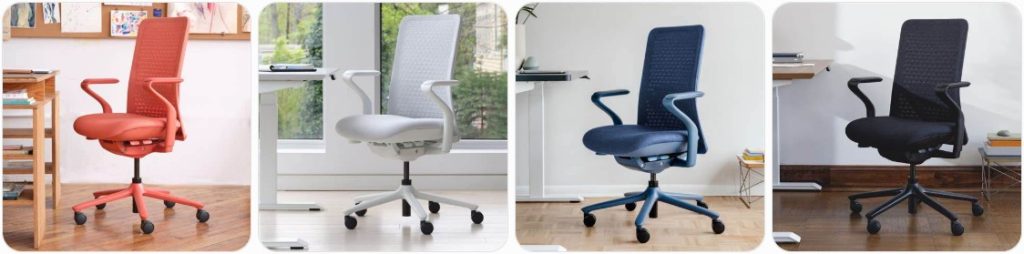
Quick Fix to Common Branch Verve Chair Problems
Branch Verve Chair keeps sinking while sitting: If your Verve Chair slowly drops after you set the height, the gas lift cylinder is usually worn out or leaking pressure. Confirm the seat height lever is not stuck under the seat first. If the chair still sinks, replace the cylinder with a compatible office chair gas lift cylinder.
Branch Verve Chair seat height lever feels loose: The Verve Chair uses an under-seat control mechanism to trigger the gas lift. If the paddle feels loose, check underneath the seat for a disconnected lever, loose mounting screw, or misaligned trigger tab. Tighten the control hardware carefully. If the mechanism no longer activates the cylinder, the seat plate may need replacement.
Branch Verve Chair wobbles side to side: A wobble on the Verve Chair usually comes from the cylinder-to-base connection, the cylinder-to-seat mechanism connection, or loose bolts under the seat. Flip the chair over on a soft surface and check each mounting bolt. If the wobble is coming from the lift itself, a new office chair cylinder replacement may fix it.
Branch Verve Chair tilt will not lock: The Verve Chair has tilt and tilt-lock controls. If the back reclines but will not hold position, check that the tilt lock lever is fully engaging and not blocked by debris under the seat. If the lock clicks but slips, the internal tilt mechanism may be worn and should be inspected by Branch support before ordering parts.
Branch Verve Chair tilt feels too loose: If the Verve Chair reclines too easily, adjust the tilt tension knob underneath the seat. Turn it gradually and test after each adjustment. Lighter users may need lower tension, while heavier users usually need more resistance. If the knob spins without changing tension, the tilt control assembly may be damaged.
Branch Verve Chair tilt feels too stiff: A very stiff recline usually means the tilt tension is set too high or the mechanism has not been used in a while. Reduce the tension under the seat, sit fully back, and test the recline again. Avoid forcing the backrest because the Verve’s suspended back and tilt assembly should move smoothly when adjusted correctly.
Branch Verve Chair seat depth slider is stuck: The Verve Chair has adjustable seat depth, so a stuck seat pan can affect comfort and leg support. Check under the seat for packaging pieces, dust, loose screws, or a jammed slider rail. Pull the seat depth control while gently shifting the seat forward and backward. Do not pry the slider with metal tools.
Branch Verve Chair seat feels loose or clicks: A clicking seat on the Verve Chair can happen when the seat pan, seat-depth track, or underside mounting bolts loosen over time. Tighten accessible screws evenly, but do not overtighten into plastic or composite parts. If the clicking happens only during recline, inspect the tilt mechanism instead of the cushion.
Branch Verve Chair lumbar support will not stay in place: The Verve Chair has adjustable lumbar height built into the back support. If it slides down or feels uneven, check for trapped fabric, dust, or a broken adjustment track. Move it through the full range slowly. If the lumbar support will not hold at all, contact Branch before trying to remove the backrest.
Branch Verve Chair backrest feels crooked: A crooked Verve backrest is often caused by uneven bolt tension, improper assembly, or stress on one side of the frame. Place the chair on a level floor, loosen and retighten the backrest-related hardware evenly if accessible, and compare both sides. If the 3D knit back frame looks bent, stop using the chair until inspected.
Branch Verve Chair armrest is loose: The Verve Chair has removable armrests, so looseness may come from the armrest mounting points under the seat. Check that both armrests are seated correctly and tighten the hardware evenly. If the armrest post or mounting bracket is cracked, do not keep leaning on it; request a replacement armrest or hardware set from Branch.
Branch Verve Chair armrest height adjustment is not working: If one Verve armrest will not move up or down, press the height button fully and check for dirt or misalignment in the arm post. Move it slowly instead of yanking it. If it drops on its own or will not lock, the internal armrest latch may be worn and the armrest assembly may need replacement.
Branch Verve Chair caster wheels do not roll smoothly: Hair, carpet fibers, dust, and small debris can jam the Verve Chair’s caster wheels. Pull out visible debris with tweezers, wipe the wheel track, and test on a clean floor mat. If a caster is cracked or flat-spotted, replace the set with compatible office chair caster wheels.
Branch Verve Chair scratches hardwood floor: If the Verve Chair marks your floor, the caster wheels may be dirty, worn, or not ideal for the surface. Clean each caster first. For wood, vinyl, or tile floors, consider soft polyurethane-style office chair wheels for hardwood floors or use a protective chair mat.
Branch Verve Chair makes squeaking noise: Squeaks often come from the tilt mechanism, cylinder socket, caster stems, or armrest mounts. Tighten loose hardware first. Then apply a small amount of silicone-based lubricant to metal pivot points only, keeping it away from the 3D knit back, cushion fabric, and plastic trim. Wipe excess lubricant immediately.
Branch Verve Chair makes a clicking noise when reclining: A single click may be the tilt lock engaging, but repeated clicking can mean a loose tilt assembly, worn pivot, or tension issue. Check the tilt lock position and tension knob first. If the click happens under load or feels unstable, stop reclining aggressively and inspect the under-seat control.
Branch Verve Chair cushion feels uneven: The Verve Chair uses a high-density foam cushion, so slight shaping can happen with use. If the cushion suddenly feels lopsided, check whether the seat pan is fully seated on the depth slider and whether the chair is level. If the foam has collapsed badly while under warranty, contact Branch with photos.
Branch Verve Chair 3D knit back is dirty or stained: The Verve’s 3D knit back should be cleaned gently. Vacuum loose debris first, then spot clean with a damp cloth and mild fabric-safe cleaner. Avoid harsh detergents, alcohol-heavy cleaners, bleach, and soaking the backrest because strong chemicals or excessive moisture can damage the fabric and finish.
Branch Verve Chair headrest feels loose: If your Verve Chair has the optional Verve Headrest, check the mounting points and confirm it was installed using the correct Branch headrest guide. Loose headrest hardware can cause rattling or poor neck support. Tighten gently and avoid forcing aftermarket headrests that were not designed for the Verve frame.
Branch Verve Chair base feels unstable: Check all five caster sockets and the gas cylinder connection to the aluminum base. A cracked base, bent caster socket, or loose cylinder can make the chair unsafe. Do not continue using the chair if the base is visibly damaged. Contact Branch for official replacement guidance before using third-party base parts.

Besitu 500Lbs Office Chair Replacement Parts, w/ 6'' x 10.2" Mounting Holes Chair Base Heavy Duty Plate Swivel Tilt Control Seat Mechanism for Executive and Gaming Chairs

Omyoffice 5.5” Office Chair Gas Lift Cylinder Replacement, Class 4 Piston

HYEJDRV Heavy Duty 500LBs Office Chair Tilt Control Mechanism Replacement Parts, Office Chair Swivel Tilt Base W/6" x 10.2" Mounting Holes - Black
How much does it cost to repair a Branch Verve Chair?
- Gas lift cylinder replacement: Around $25-$60 for a compatible cylinder if you repair it yourself. A local chair repair shop may charge $60-$120 including labor. Make sure the replacement cylinder fits the Verve Chair’s base and under-seat mechanism before ordering.
- Caster wheel replacement: Around $20-$50 for a full set of replacement casters. This is one of the easiest Verve Chair repairs because most casters pull out and press back in. Choose wheels based on your floor type.
- Seat mechanism or tilt control repair: Around $40-$100 for parts if available, or $80-$150+ with labor. Because the Verve Chair uses specific tilt, seat-depth, and lock controls, contact Branch first before buying a generic seat plate.
- Armrest repair or replacement: Around $25-$90 depending on whether you only need screws/hardware or a complete Verve-compatible armrest assembly. Since the Verve has removable armrests, replacement may be possible, but the shape and mount should match the original design.
- Optional Verve Headrest repair: Around $20-$80 depending on whether the problem is loose hardware, a damaged mount, or a full headrest replacement. Always check the official Verve Headrest assembly guide before removing or reinstalling the headrest.
- Backrest or lumbar support issue: Usually $0 if it is a simple adjustment or loose assembly point. If the 3D knit back, frame, or lumbar track is damaged, the cost can be much higher, and Branch support should be contacted before attempting disassembly.
- Professional inspection: Around $40-$100 at a local furniture or office chair repair service. This is worth it if the chair wobbles badly, reclines unpredictably, or has a suspected cracked base or damaged tilt mechanism.
- Warranty repair: Potentially $0 for eligible defects if your Branch Verve Chair is still covered and you are the original purchaser with proof of purchase. Damage from misuse, normal wear, stains, overload, third-party parts, or improper installation may not be covered.
Order Parts for Your Broken Branch Verve Chair
- Branch Furniture support: Start with Branch’s official contact page if you need Verve-specific parts such as armrests, backrest components, lumbar pieces, headrest hardware, or warranty help.
- Branch assembly guide page: Use the official Branch assembly guides page to confirm how the Verve Chair is built before removing parts or ordering replacements.
- Amazon replacement parts: For universal wear items like casters, chair mats, some gas cylinders, and basic repair tools, you can search Amazon for office chair parts.
- Local office chair repair shops: A repair shop may help remove a stuck gas cylinder, diagnose tilt issues, or install new casters. Bring the chair model name, photos, and measurements so they do not install the wrong parts.
When ordering parts for a broken Branch Verve Chair, separate the problem into two groups: universal parts and Verve-specific parts. Universal parts may include caster wheels, floor mats, some gas lift cylinders, and basic hardware. Verve-specific parts include the backrest, armrests, lumbar support, seat-depth mechanism, headrest mount, and tilt-control components. For those, Branch support is usually the safest starting point.
Before buying anything, take clear photos of the damaged area, the underside mechanism, the base, and any labels under the seat. Measure the cylinder, caster stem, and mounting points if you are replacing universal parts. Avoid forcing generic parts into the Verve Chair because using third-party parts may affect fit, comfort, safety, and warranty coverage.
Besitu 500Lbs Office Chair Replacement Parts, w/ 6'' x 10.2" Mounting Holes Chair Base Heavy Duty Plate Swivel Tilt Control Seat Mechanism for Executive and Gaming Chairs
Omyoffice 5.5” Office Chair Gas Lift Cylinder Replacement, Class 4 Piston
HYEJDRV Heavy Duty 500LBs Office Chair Tilt Control Mechanism Replacement Parts, Office Chair Swivel Tilt Base W/6" x 10.2" Mounting Holes - Black
Branch Verve Chair Repair & Service Center Near You
Branch does not work like a car brand with a repair center in every city. For a Branch Verve Chair repair, the best first step is to contact Branch directly through the official Branch contact page. You can explain the issue, send photos or a short video, and ask whether the problem is covered by warranty or whether replacement parts are available.
If you want local hands-on help, search for office chair repair, furniture repair, or ergonomic chair repair services near you. A local technician can often help with common repairs such as stuck gas cylinders, caster replacement, squeaks, loose hardware, and tilt diagnosis. However, for Verve-specific items like the 3D knit back, adjustable lumbar support, seat-depth slider, removable armrests, and optional Verve Headrest, contact Branch before letting a shop modify the chair.
For showroom or in-person product questions, use Branch’s official website only. You can also check Branch’s contact page for current support options, email details, and any showroom or partner-location information.
Warranty Coverage for Branch Verve Chair
The Branch Verve Chair is listed by Branch with a 7-year warranty. Branch states that warranty periods begin from the date of delivery. If you purchased directly from Branch, warranty activation may not be required, but if you purchased through an authorized third party such as Amazon, West Elm, or Office Depot, Branch may require warranty registration or proof of purchase.
Warranty coverage is generally meant for defects or malfunctions, not every type of damage. Branch lists exclusions such as normal wear and tear, textile pilling, stains, discoloration, damage from sharp objects, abusive use, overloading the chair above its weight capacity, improper installation, non-office use, and damage caused by harsh cleaning chemicals. Branch also states that warranty coverage applies only within the continental United States and Canada and that the warranty is non-transferable.
For warranty help, use the official Branch warranty page and follow Branch’s instructions for filing a claim. Take photos or a short video of the Verve Chair problem before contacting support. Include your order number, proof of purchase, delivery date, and a clear description of what broke.
Branch Verve Chair Diagram & Manual
The official Branch Verve Chair assembly and user guide is available through Branch’s Assembly Guides page. Look under the Office Chairs section and choose Verve Chair. Branch also lists an assembly video and usage video for the Verve Chair, which can help you identify the seat controls, lumbar adjustment, tilt lock, tilt tension, armrest adjustment, seat-depth slider, and optional headrest setup.
You can also access the official Verve Chair assembly guide directly here: Branch Verve Chair Assembly and User Guide. Use the manual before removing the backrest, seat, cylinder, armrests, or headrest. If the chair was assembled incorrectly, the manual may help you fix the problem without replacing parts.
Tips to Make Your Branch Verve Chair Last Longer
- Stay within the Verve Chair weight capacity: The Branch Verve Chair is listed with a 275 lb max capacity. Exceeding that can stress the gas lift, tilt mechanism, base, casters, and back support.
- Use the seat-depth adjustment correctly: Do not yank the seat pan forward or backward. Use the seat-depth control and move the seat smoothly so the slider track does not jam or wear unevenly.
- Adjust tilt tension for your body weight: If the Verve Chair reclines too easily or feels too stiff, adjust the tilt tension instead of forcing the backrest. Proper tension reduces stress on the recline mechanism.
- Clean the 3D knit back gently: Vacuum dust and crumbs from the knit back and spot clean carefully. Avoid bleach, strong detergents, alcohol-heavy cleaners, and soaking the fabric.
- Keep the casters clean: Hair and debris can jam caster wheels and damage flooring. Clean the wheels regularly, especially if the chair is used on carpet or near pets.
- Use the right wheels for your floor: If you use the Verve Chair on hardwood, vinyl, or tile, consider floor-safe casters or a chair mat to reduce scratches and wheel wear.
- Tighten hardware every few months: Check the underside bolts, armrest hardware, and accessible mounting points. Tighten gently and evenly so the chair stays stable without stripping threads.
- Do not lean heavily on one armrest: The Verve has removable armrests, but they are still not designed to carry your full body weight when standing up or shifting sideways.
- Use the lumbar support instead of forcing posture: Adjust the lumbar height until it supports your lower back naturally. If it feels uncomfortable, adjust seat depth and height before assuming the lumbar piece is broken.
- Protect it from direct sunlight: Long sun exposure can affect fabric color and finish over time. Keep the Verve Chair away from harsh direct light when possible.
- Do not use aftermarket parts without checking fit: Generic cylinders, bases, armrests, or headrests may not match the Verve Chair properly and may affect safety or warranty coverage.
- Fix small noises early: A squeak, click, or wobble can become a bigger repair if ignored. Inspect the chair as soon as the sound starts.
Broken Branch Verve Chair Repair FAQ
Why does my Branch Verve Chair keep sinking?
The most common cause is a worn gas lift cylinder. First check that the height lever is not stuck or pressing the trigger under the seat. If the lever is fine and the chair still drops while sitting, the cylinder likely needs replacement.
Can I replace the gas cylinder on a Branch Verve Chair?
Yes, the gas cylinder can usually be replaced, but removal may be difficult if it is stuck in the base or seat mechanism. Measure the existing cylinder and confirm compatibility before buying a replacement. If the chair is under warranty, contact Branch first.
Why is my Branch Verve Chair wobbling?
Wobbling can come from loose underside bolts, a worn gas cylinder, a cracked caster socket, or an unstable base connection. Check the casters, base, cylinder, and seat mechanism. Stop using the chair if the base or frame appears cracked.
How do I fix a Branch Verve Chair that will not recline?
Check the tilt lock first and make sure it is not engaged. Then reduce the tilt tension slightly and test the recline again. If the back still will not move, inspect the underside mechanism for obstruction or damage.
Why will my Branch Verve Chair not lock in recline?
The tilt lock may not be fully engaging, or the internal lock inside the seat mechanism may be worn. Move the lever through its full range and listen for engagement. If it slips under pressure, contact Branch or a repair shop.
Can I replace the wheels on a Branch Verve Chair?
Yes, caster wheels are one of the easiest parts to replace. Remove one caster and check the stem size before ordering a new set. Choose the wheel type based on your floor, especially if you use the chair on hardwood, tile, or vinyl.
How do I fix squeaking on a Branch Verve Chair?
First tighten the hardware under the seat and around the armrests. Clean the casters and check the cylinder socket. If the squeak comes from a metal pivot, apply a small amount of silicone-based lubricant, but keep lubricant away from fabric and plastic surfaces.
Can the Branch Verve Chair armrests be repaired?
Loose armrests may only need tightening. If the height adjustment no longer locks or the armrest bracket is cracked, the armrest assembly may need replacement. Because the Verve armrests are model-specific, contact Branch before ordering generic armrest parts.
Why is the lumbar support on my Branch Verve Chair uncomfortable?
The lumbar support may be set too high, too low, or the seat depth may be wrong for your legs. Adjust the lumbar height, seat depth, and chair height together. If the lumbar support is loose or will not hold position, contact Branch support.
Can I repair the 3D knit back on a Branch Verve Chair?
Small stains can usually be cleaned gently, but torn knit, a bent back frame, or broken lumbar track is not a simple DIY repair. Contact Branch with photos before attempting to remove or modify the backrest.
Where can I find the Branch Verve Chair manual?
The official manual is available through the Branch Assembly Guides page. Look for Verve Chair under Office Chairs, or use the direct Verve Chair Assembly and User Guide link from Branch.
Is my broken Branch Verve Chair covered by warranty?
It may be covered if the problem is a qualifying defect, you are the original purchaser, the chair is within the warranty period, and you have proof of purchase if needed. Normal wear, stains, misuse, overload, improper installation, and third-party parts may not be covered.
Should I use generic parts on a Branch Verve Chair?
Generic parts may work for simple items like some casters or gas cylinders, but Verve-specific parts should come from Branch when possible. Generic armrests, bases, backrest parts, or headrests may fit poorly and can affect safety or warranty coverage.
When should I stop using a broken Branch Verve Chair?
Stop using it if the base is cracked, the chair leans dangerously, the backrest frame is bent, the tilt lock slips suddenly, or the cylinder feels unstable. These issues can become safety problems and should be inspected before continued use.
Summary
A broken Branch Verve Chair is not always a lost cause. Start with simple checks like loose bolts, stuck controls, dirty casters, and wrong tilt tension. For sinking, wobbling, armrest issues, or caster problems, replacement parts may fix it. For Verve-specific parts, warranty questions, the 3D knit back, lumbar support, or tilt mechanism, contact Branch first so you do not waste money on the wrong repair.
Besitu 500Lbs Office Chair Replacement Parts, w/ 6'' x 10.2" Mounting Holes Chair Base Heavy Duty Plate Swivel Tilt Control Seat Mechanism for Executive and Gaming Chairs
Omyoffice 5.5” Office Chair Gas Lift Cylinder Replacement, Class 4 Piston